Copyright vs. Design Rights: Protecting Your Patterns
Navigating the intricacies of Intellectual Property in the textile industry is vital for safeguarding your creative craftsmanship. Understanding the legal weave is your first step to protection.

The Legal Framework: Unregistered vs. Registered Design Rights
In the UK textile market, protection often begins automatically, but it is limited. Understanding the distinction is crucial for your business strategy:
- Unregistered Design Rights (UDR): Provides automatic protection for the shape or configuration of 3D objects. It lasts for 10 years after first sale, or 15 years after creation.
- Registered Design Rights: A formal application that protects the overall appearance, including lines, contours, and textures. This provides a much stronger monopoly for up to 25 years.
When Does Copyright Apply?
Copyright and garments have a complex relationship. Generally, copyright does not protect the functional "cut" of a dress, but it is the powerhouse for surface decoration:
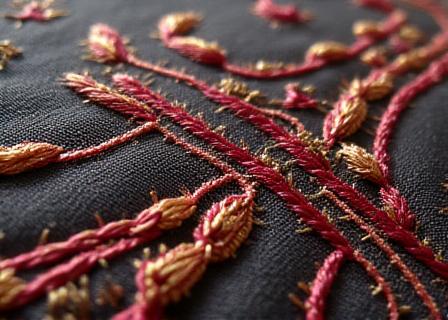
- Artistic Works: Original prints, embroidery patterns, and lace designs are protected as artistic works as soon as they are fixed in tangible form.
- Duration: Copyright typically lasts for the life of the creator plus 70 years, offering long-term brand legacy protection.
Protecting Surface Decoration vs. Shape
Distinguishing between the decoration (the print on the silk) and the construction (the drape of the silhouette) determines your legal path. If a design is functional, it lean towards patents or design rights. If it is purely aesthetic and original, copyright is your primary shield.
Loom & Ledger Ltd. specializes in audit services that categorize your current portfolio to ensure no pattern goes unprotected against infringers.
Pre-Launch Checklist for Your New Collection
Before unveiling your designs at London Fashion Week or to private buyers, follow these steps to secure your IP:
Need tailored advice for your upcoming collection?
Consult an IP Expert